Auckland lawns can be tricky. One week of summer rain and your grass shoots up fast. Miss a few dry days, and patches start to show. Many homeowners notice this around late summer, when lawns look tired even after regular mowing. If that sounds familiar, your lawn may be hungry, not damaged.
Grass needs more than water and cutting. It needs proper feeding at the right time. That’s where Lawn Fertilizing Services make a real difference for Auckland homes.
This guide explains how lawn feeding works, why timing matters in New Zealand, and how local care helps grass stay green without stress.
Why Auckland Lawns Need Special Care
Auckland soil types change from street to street. Some hold water too long. Others dry out fast. Add coastal air, summer heat, and sudden rain, and lawns can struggle.
Late summer and early autumn are key periods. Grass recovers from heat and prepares for cooler months. Feeding during this time helps roots stay strong and keeps colour steady.
Many people think yellow grass means watering issues. In reality, it’s often a lack of nutrients in the soil.
What Lawn Fertilizing Really Does
Lawn feeding supports grass from below the surface. It helps roots grow deeper and blades stay thick.
Here’s what proper lawn feeding supports:
- Rich green colour
- Even grass growth
- Strong root strength
- Better response after mowing
- Fewer weak patches
Good feeding also helps lawns handle foot traffic, pets, and changing weather.
Signs Your Lawn Needs Feeding
Not sure if your lawn needs help? Look for these signs:
- Grass looks pale or dull
- Growth feels uneven
- Bare spots keep coming back
- Lawn struggles after mowing
- Soil feels hard or dry
These signs often appear together during Auckland’s warmer months.
Seasonal Lawn Feeding in New Zealand
Timing matters more than people think. In Auckland, lawns grow most during warmer months.
Late summer feeding helps grass recover from heat. Early autumn feeding prepares lawns for cooler days ahead.
Feeding at the wrong time can stress grass. That’s why local knowledge matters. Auckland lawns don’t follow the same pattern as other regions.
Why Professional Lawn Fertilizing Helps
DIY feeding often leads to uneven results. Some spots get too much. Others get missed.
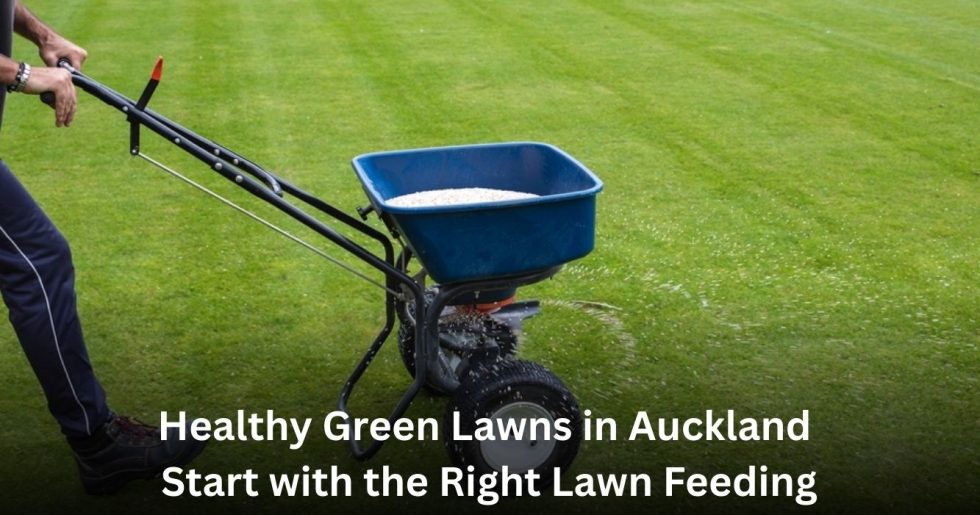
Professional Lawn Fertilizing Services focus on balance. The lawn gets what it needs, where it needs it.
Professionals also check soil condition, grass type, and weather timing. That small difference shows over time.
A Local Partner Worth Knowing
Some Auckland homeowners also look for trusted lawn feeding support in specific suburbs.
If you’re near Grey Lynn, it’s worth checking Garden Experts, a local name known for lawn feeding and care. Their team understands soil conditions in that area and works with seasonal growth patterns.
Common Lawn Feeding Mistakes to Avoid
Many lawns struggle due to simple mistakes.
- Feeding during extreme heat
- Skipping feeding for months
- Using the same product all year
- Applying too much at once
- Ignoring soil condition
These issues slowly weaken grass. Fixing them early saves time later.
Tips to Keep Your Lawn Looking Good Between Visits
Small habits help lawn feeding last longer.
- Water early in the morning
- Avoid cutting grass too short
- Keep mower blades sharp
- Clear leaves and debris
- Watch how grass reacts after rain
These simple steps support healthy growth.
A healthy lawn doesn’t come from guesswork. It comes from steady care, local timing, and proper feeding.
If you’re looking for trusted Lawn Fertilizing Services in Auckland, Quickcuts offers lawn care that suits local conditions and seasonal growth patterns.
FAQ – People Also Ask About Lawn Fertilizing in Auckland
Q1. How often should a lawn be fertilized in Auckland?
Most lawns do well with feeding during active growth periods. Late summer and early autumn are common times, based on weather and soil condition.
Q2. Is lawn fertilizing safe for kids and pets?
When done correctly and with proper timing, lawn feeding is safe. Waiting for the grass to settle before use is always advised.
Q3. Can lawn fertilizing fix patchy grass?
Feeding supports root health, which helps grass fill thin areas over time. Results depend on soil condition and care habits.
Q4. Does weather affect lawn feeding results?
Yes. Rain, heat, and soil moisture all play a role. That’s why timing based on Auckland weather matters.
Q5. Should mowing be done before or after fertilizing?
Light mowing before feeding is often helpful. It allows nutrients to reach the soil more evenly.