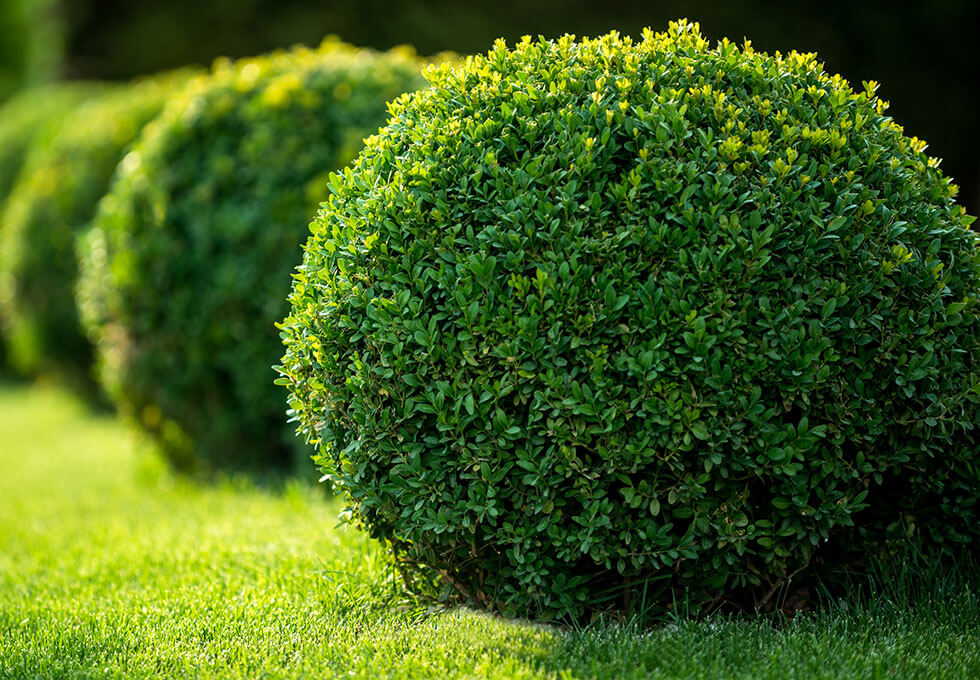

A Neat Lawn Starts with the Right Mowing Routine
A freshly mown lawn can change the entire appearance of a property. It makes the garden look organised, creates a welcoming outdoor space, and helps residential and commercial properties maintain a cared-for appearance.
But keeping grass healthy in Auckland is not always as simple as running a mower over it. Rainfall, seasonal growth, soil conditions, shaded areas, and the type of grass all influence how often a lawn needs attention. When mowing is delayed or performed incorrectly, grass can become overgrown, uneven, stressed, or difficult to manage.
That is why choosing reliable lawn mowing services Auckland property owners can depend on is about more than appearance. Regular, suitable mowing supports lawn health, improves usability, and helps prevent neglected grass from becoming a bigger maintenance job.
Whether you manage a family backyard in Henderson, maintain a rental property in Mount Eden, or look after a commercial site in Albany, the right mowing routine can make outdoor maintenance easier.
In this guide, QuickCuts explains how professional lawn mowing works, how often Auckland lawns need cutting, which common mistakes to avoid, and how to keep grass neat and healthy throughout the year.
What Are Lawn Mowing Services?
Lawn mowing services involve cutting grass to a suitable height and maintaining a neat, manageable lawn. Depending on the provider and the agreed scope, the service may also include trimming lawn edges, cutting grass around obstacles, clearing clippings from hard surfaces, and identifying visible lawn problems.
Quick Answer: Professional lawn mowing keeps grass at an appropriate height, improves the appearance of outdoor spaces, and helps property owners manage lawn growth consistently. The right mowing frequency depends on grass type, weather, season, and how quickly the lawn grows.
A typical service may include:
- Mowing accessible grass areas.
- Trimming edges around paths, fences, and garden beds.
- Cutting around trees and other obstacles carefully.
- Removing or managing grass clippings according to the service agreement and lawn conditions.
- Noticing visible issues such as bare patches, weeds, or waterlogged areas.
Not every lawn needs the same treatment. A flat backyard with fast-growing grass has different requirements from a shaded lawn, a sloping section, or a commercial property with large grass areas.
The goal is to maintain the lawn without putting unnecessary stress on the grass or the surrounding garden.
Why Regular Lawn Mowing Matters for Lawn Health
A well-maintained lawn needs a balance of mowing, water, nutrients, suitable soil conditions, and enough light. Mowing alone cannot solve every lawn problem, but it plays an important role in keeping grass manageable.
1. It helps maintain even growth
When grass grows too long before being cut, the lawn can become uneven. Some areas may be dense while others become thin due to shade, poor soil, or different growing conditions.
A suitable mowing routine helps maintain a more consistent height and appearance. It also makes it easier to notice changes in the lawn before they become widespread.
2. It improves the appearance of your property
A tidy lawn creates a cleaner visual boundary between the house, garden beds, paths, and outdoor living areas.
For homeowners, this improves everyday enjoyment of the garden. For landlords and property managers, it helps keep outdoor areas presentable. Businesses can benefit from a neat lawn around entrances, customer areas, and office grounds.
3. It makes ongoing maintenance easier
Regular lawn mowing Auckland residents arrange can prevent grass from becoming so long that each visit requires extra time and effort.
When grass is maintained consistently, mowing is usually more manageable. It also becomes easier to combine lawn care with hedge trimming, weeding, and general garden maintenance.
4. It helps you spot lawn problems earlier
Mowing gives you an opportunity to notice areas that are struggling. Bare patches, discolouration, weeds, uneven growth, and persistent wet spots may indicate an underlying issue.
These signs do not all have the same cause. For example, yellowing grass may relate to moisture, nutrition, mowing stress, or other conditions. Identifying the cause is more useful than automatically applying fertilizer or watering more frequently.
In simple terms: Regular mowing keeps the lawn under control, but healthy grass also needs the right cutting height and suitable care for its growing conditions.
How Often Should You Mow a Lawn in Auckland?
There is no single mowing schedule that suits every Auckland property. Grass growth changes throughout the year, and local weather can make a noticeable difference.
Quick Answer: Mow when the grass reaches a height that requires cutting, rather than following a rigid calendar. During active growth, a lawn may need mowing weekly or more frequently in some conditions. During slower growth, mowing can often be less frequent.
Spring and summer: Keep up with active growth
When temperatures and moisture support active growth, lawns may need more frequent mowing. Regular checks help prevent grass from becoming excessively long between visits.
During dry spells, avoid cutting too low. Grass that is already under moisture stress may struggle to recover from aggressive mowing.
Autumn: Adjust to changing conditions
Autumn can bring periods of continued growth as well as wetter weather. Monitor grass height and avoid mowing when the ground is too soft, as heavy foot traffic and mower wheels can damage wet soil.
Removing excessive leaf litter also helps prevent grass from being smothered.
Winter: Focus on conditions, not the calendar
Growth often slows in cooler weather, although Auckland’s relatively mild conditions mean some lawns continue growing.
Mow when necessary and when the lawn is firm enough to handle the mower. Avoid cutting waterlogged grass or repeatedly driving over the same muddy areas.
Follow the one-third rule
A useful mowing principle is to avoid removing more than about one-third of the grass blade in a single cut. If grass has become very long, reducing its height gradually is generally better than cutting it extremely short in one session.
This reduces unnecessary stress and helps the lawn recover more effectively.
What Happens During Professional Lawn Mowing Auckland Services?
A professional mowing visit should be suited to the property rather than treated as a one-size-fits-all job.
Step 1: Assess the lawn and access
Before mowing, the lawn’s length, surface condition, slope, and accessibility should be considered.
An overgrown lawn may require a different approach from one that is maintained regularly. Wet soil, hidden obstacles, steep sections, and narrow access points can also affect how the work should be carried out.
Step 2: Mow at an appropriate height
The cutting height should suit the grass variety and current conditions. Cutting too low can expose soil, weaken grass, and make the lawn more vulnerable to stress.
A suitable height allows the grass to maintain enough leaf area for healthy growth while keeping the lawn neat.
Step 3: Trim edges and difficult areas
Grass around fences, garden beds, paths, trees, and structures may require separate edging or trimming.
Careful finishing makes a visible difference to the overall result. However, trimming around young trees and plants should be done cautiously to avoid damaging bark, stems, or roots.
Step 4: Manage clippings and leave the area tidy
Grass clippings should be managed according to their volume, the lawn’s condition, and the agreed service.
Short, dry clippings can often be left to break down naturally when they are evenly distributed and do not smother the grass. Long, wet clippings or thick clumps should generally be removed because they can cover the lawn and affect its appearance.
Step 5: Identify any visible concerns
If the lawn has bare areas, weeds, drainage problems, or uneven growth, these can be noted for further attention.
Mowing will not correct every underlying issue. A lawn with persistent problems may need soil improvement, weed management, drainage assessment, or other targeted care.
Common Lawn Mowing Mistakes That Can Damage Your Grass
Even frequent mowing can produce poor results when the technique is wrong. These are some of the mistakes property owners should avoid.
Cutting the grass too short
Very short grass may appear tidy immediately after mowing, but cutting too much off can stress the plant and expose more soil to sunlight.
The correct height depends on the grass type and conditions. Avoid using a very low setting simply to extend the time before the next cut.
Mowing wet or waterlogged lawns
Wet grass can be harder to cut evenly, and clippings may clump together. More importantly, mowing on soft soil can leave wheel marks and compact the ground.
If the lawn feels soft underfoot or water is sitting on the surface, waiting for better conditions is often the safer choice.
Using blunt mower blades
Blunt blades can tear grass rather than cut it cleanly. Damaged tips may leave the lawn looking uneven or brownish after mowing.
Keeping mower blades sharp and equipment maintained helps achieve a cleaner finish.
Leaving long grass until it becomes difficult to manage
Allowing grass to grow excessively long can make mowing harder and result in uneven cutting. It may also require multiple passes or staged cutting to restore the lawn without removing too much grass at once.
Regular maintenance is often more efficient than waiting until the lawn becomes overgrown.
Ignoring the edges
A lawn can be neatly mown and still look unfinished if grass has spread over paths, driveways, or garden beds.
Periodic edging helps maintain clear boundaries and gives the whole outdoor area a more organised appearance.
Treating every lawn problem as a mowing problem
Mowing cannot resolve poor drainage, severe soil compaction, unsuitable shade conditions, or every weed infestation.
If the same area repeatedly becomes thin or discoloured, investigate the underlying cause instead of cutting it more frequently.
Residential Lawn Mowing Auckland: Keeping Your Backyard Practical
For homeowners, the lawn is often part of everyday life. Children may play on it, pets may use it, and families may rely on it as an extension of their living space.
Residential lawn mowing should therefore consider more than a uniform appearance.
Make the lawn easier to maintain
Clear access around garden beds, trees, and fences can reduce the amount of trimming required. If the garden has many awkward corners, simplifying the layout may make regular mowing easier.
Consider shade and foot traffic
Grass growing under trees may receive less sunlight and compete with roots for moisture. Areas used frequently for walking or playing may also become compacted or worn.
These areas may need different care from the main lawn. Avoid expecting shaded or heavily used grass to perform exactly like a sunny, lightly used section.
Plan around family and garden needs
Keep toys, garden equipment, hoses, and other obstacles clear before mowing. If pets or children use the lawn, follow appropriate precautions around mowing equipment and any lawn treatments used separately.
A regular mowing arrangement can be particularly useful for busy households that want the garden to remain tidy without having to manage every visit themselves.
Affordable Lawn Mowing Services Auckland: What Should You Compare?
Finding affordable lawn care is not only about choosing the lowest quote. It is about understanding what the service includes and whether it meets your property’s needs.
When comparing providers, consider:
- Scope of work: Does the quote include mowing only, or also edging and trimming?
- Lawn condition: Is the grass regularly maintained, or does it require an initial overgrown-lawn cut?
- Property access: Are there steep sections, obstacles, narrow gates, or large areas?
- Clippings and green waste: Is collection or disposal included, where required?
- Visit frequency: Is the arrangement suitable for the lawn’s growth rate?
- Communication: Can you clarify what is included and how changes to the job will be handled?
The cheapest service may not provide the same scope as another quote. Comparing the actual work included makes it easier to assess value.
For some properties, regular mowing is the most practical option. Others may need a one-off cut to bring an overgrown lawn back under control before moving to a maintenance schedule.
If you are searching for a lawn mowing service near me, check that the provider can service your location, understands the work involved, and clearly explains the expected result.
Practical Lawn Care Tips Between Mowing Visits
Professional mowing works best when combined with sensible everyday care. You do not need a complicated routine to keep a lawn in better condition.
Water according to conditions
Avoid watering automatically every day without checking the soil and weather. Water needs depend on rainfall, soil type, exposure, and the condition of the grass.
When watering is needed, follow local water restrictions and aim to support deeper root growth rather than creating frequent shallow watering.
Keep the soil in good condition
Compacted soil can restrict the movement of air and water to roots. If an area remains hard, drains poorly, or struggles despite suitable mowing, soil compaction may be one factor.
Aeration can help in suitable situations, but the method and timing should reflect the soil and grass conditions.
Use fertilizer carefully
Fertilizer may help address nutrient needs, but more is not always better. Excessive or poorly timed application can harm grass or contribute to nutrient runoff.
Choose a product appropriate for the lawn, follow its instructions, and avoid applying fertiliser just because the grass looks unhealthy without first considering other possible causes.
Keep garden borders under control
Weeds and overhanging plants can spread into lawn areas and make mowing more difficult. Maintaining clear edges and managing garden growth helps keep the whole outdoor space easier to care for.
Monitor problem areas
Check shaded sections, slopes, drainage points, and heavily used areas regularly. Early attention to recurring problems can help prevent small issues from developing into larger lawn repairs.
Beyond Mowing: How Landscaping and Garden Maintenance Help
A healthy-looking lawn is only one part of a well-maintained outdoor space. Overgrown hedges, untidy garden beds, weeds, and poorly managed trees can affect the appearance of the entire property.
Combining lawn mowing with suitable garden maintenance can create a more consistent result.
For example, mowing may improve the lawn itself, but trimming a hedge that blocks a path can make the garden easier to access. Removing weeds from garden beds can reduce the spread of unwanted growth, while suitable pruning can help keep plants within their available space.
A wider maintenance plan may include:
- Lawn mowing and edge trimming.
- Hedge trimming and shrub maintenance.
- Garden clean-ups and weed control.
- Mulching and garden-bed care.
- Landscaping improvements.
- Tree care carried out by appropriately qualified professionals where required.
The services needed will depend on the property. A small residential garden may need only occasional additional work, while a commercial site or large section may benefit from a planned maintenance schedule.
QuickCuts: Professional Lawn and Garden Care for Auckland Properties
Choosing a local lawn mowing company Auckland property owners can communicate with makes ongoing garden care easier to organise.
QuickCuts provides lawn, landscaping, and garden services intended to help residential and commercial property owners maintain tidy, usable outdoor spaces. Depending on the job and service requirements, support may include lawn mowing, garden maintenance, hedge trimming, landscaping, and relevant tree care services.
For homeowners, regular lawn care can reduce the burden of weekend maintenance. For landlords and property managers, it can help keep outdoor areas presentable between inspections or tenancies. Businesses can also benefit from a well-maintained appearance around entrances and grounds.
The most suitable service arrangement depends on lawn size, access, growth rate, and the level of finishing required. Before arranging work, explain whether the lawn is regularly maintained or overgrown, whether edges need attention, and whether clippings or garden waste require removal.
This helps establish a clearer scope and a more useful maintenance plan.
To learn more, visit QuickCuts or explore its Auckland lawn mowing services.
The Future of Lawn Care: Practical, Consistent and More Sustainable
Lawn care is increasingly focused on maintaining attractive outdoor spaces while using time, water, and resources thoughtfully.
Several practices are especially useful:
Condition-based mowing: Adjusting mowing frequency to grass growth and weather instead of relying entirely on fixed dates.
Smarter water use: Considering rainfall, soil moisture, and local restrictions before watering.
Suitable grass and planting choices: Selecting plants and lawn varieties that fit the site’s conditions can reduce avoidable maintenance.
Well-planned outdoor layouts: Clear lawn edges and accessible garden areas can make routine care more efficient.
Preventive maintenance: Addressing drainage, compaction, and weed issues early may help avoid more extensive repair work later.
These approaches do not mean every garden needs expensive equipment or a complex maintenance programme. Often, consistent mowing, careful observation, and sensible planning provide the greatest benefit.
Conclusion: Keep Your Auckland Lawn Neat Without the Hassle
A healthy, attractive lawn comes from consistent care, suitable mowing practices, and attention to the conditions that affect grass growth. Cutting too short, mowing wet ground, neglecting edges, or leaving grass to become heavily overgrown can make lawn maintenance more difficult than it needs to be.
For Auckland homeowners, landlords, property managers, and businesses, professional lawn mowing can help maintain a neat outdoor space while making regular upkeep easier to manage. Combining mowing with appropriate landscaping and garden maintenance can also improve the appearance and usability of the wider property.
QuickCuts offers lawn and garden services to help property owners maintain their outdoor spaces. Whether you need a one-off cut or regular lawn care, start by identifying what your property needs and choosing a service arrangement that suits its condition.
A neat lawn does not have to mean more work for you. With the right mowing routine and practical garden care, you can enjoy a cleaner, healthier outdoor space throughout the year.
Frequently Asked Questions About Lawn Mowing Services Auckland
1. How often should I book lawn mowing services in Auckland?
It depends on the grass type, weather, and growth rate. During active growth, a lawn may need weekly mowing or more frequent attention. In cooler or slower-growing periods, visits may be less frequent.
2. What is included in professional lawn mowing Auckland services?
Services commonly include mowing and may include lawn edging, trimming around obstacles, and managing clippings. Always confirm the exact scope with the provider, particularly if green waste removal or overgrown-lawn work is needed.
3. How do I find a reliable lawn mowing service near me?
Check whether the provider services your area, clarify what the quote includes, and explain your lawn’s condition and access requirements. Choose a service that communicates clearly and can offer a suitable maintenance arrangement.
4. Are affordable lawn mowing services in Auckland suitable for rental properties?
Yes. Regular mowing can help landlords and property managers keep outdoor areas presentable and manageable. The service frequency should suit the property’s growth conditions and tenancy requirements.
5. Is it better to mow a lawn when the grass is wet or dry?
Dry grass is generally easier to mow evenly and produces fewer clumps. Avoid mowing waterlogged lawns because equipment can damage soft soil and leave ruts or wheel marks.
6. Can professional lawn mowing improve an unhealthy lawn?
Professional mowing can improve lawn appearance and help maintain suitable grass height, but it cannot fix every underlying problem. Persistent bare patches, poor drainage, weeds, or discolouration may need additional assessment and targeted lawn care.