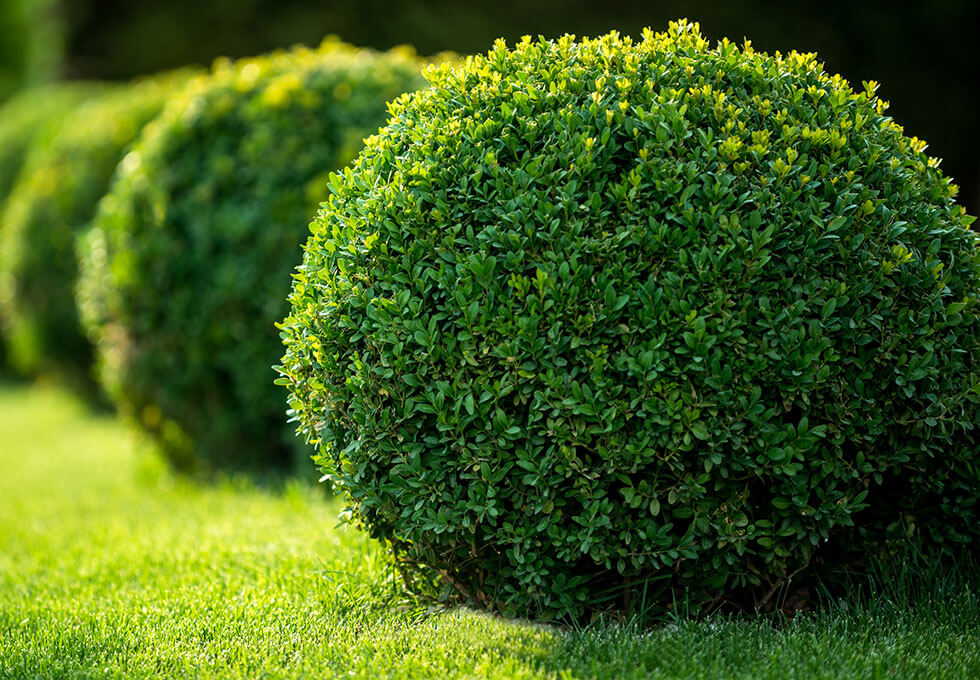
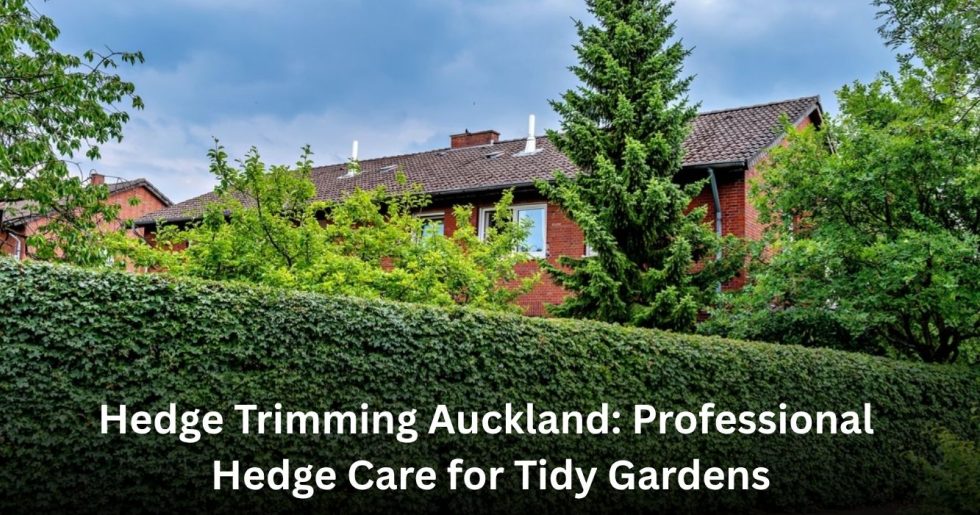
A well-maintained hedge can completely change the appearance of a property. It creates a neat boundary, adds privacy, improves the look of garden beds, and gives outdoor spaces a more organised finish. However, when hedges grow too large, become uneven, or start spreading across paths and driveways, they can quickly make an otherwise attractive garden look neglected.
For homeowners and businesses across Auckland, regular hedge care is an important part of keeping outdoor areas healthy and presentable. Auckland’s growing conditions can encourage fast plant growth, particularly during warmer and wetter periods. Without suitable trimming, hedges may become difficult to manage and can block windows, reduce access, or affect neighbouring properties.
Professional hedge trimming Auckland services help keep plants in shape while supporting healthier, more manageable gardens. But good hedge care involves more than cutting branches to a straight line. The plant species, season, growth pattern, light conditions, and intended hedge shape all matter.
In this guide, QuickCuts explains how to maintain healthy hedges, when trimming is needed, which mistakes to avoid, and how professional garden maintenance can help keep your Auckland property looking its best.
What Is Hedge Trimming and Why Does It Matter?
Hedge trimming is the process of cutting back selected growth to maintain a hedge’s size, shape, appearance, and condition. It helps prevent plants from becoming overgrown while keeping boundaries, pathways, entrances, and garden areas neat.
Quick Answer: Hedge trimming involves removing suitable excess growth from shrubs and hedge plants to maintain their shape, manage their size, encourage appropriate growth, and keep outdoor spaces tidy.
A hedge can serve several purposes around a property:
- Privacy: Creates a natural screen between homes or outdoor areas.
- Boundaries: Provides a clear visual separation around gardens and properties.
- Appearance: Gives lawns, pathways, and garden beds a finished look.
- Wind protection: Some established hedges can help reduce exposure to wind.
- Garden structure: Adds definition and creates a natural framework for landscaping.
However, these benefits depend on appropriate plant selection and maintenance. A neglected hedge may become too dense, develop bare patches, or grow beyond the space available.
Regular care helps prevent small maintenance problems from turning into major cutting and reshaping jobs.
Why Regular Hedge Maintenance Is Important for Auckland Gardens
Auckland’s climate supports a wide range of hedge plants, but growing conditions vary between properties. Sun exposure, rainfall, soil drainage, wind, and plant species all influence how quickly a hedge grows.
During active growing periods, some hedges may need more frequent attention. Others grow slowly and require only occasional shaping.
1. Maintains a neat and attractive appearance
Hedges often sit in highly visible areas, including front gardens, driveways, entrances, and property boundaries. Uneven growth can make an entire outdoor area look untidy.
Consistent trimming helps maintain a clean outline and makes the garden appear better organised.
For example, a property in Mount Eden with a neatly shaped front hedge and regularly mown lawn can look considerably more cared for than one where the hedge has spread across the footpath and garden edges.
2. Prevents excessive growth
Some hedge plants grow quickly when conditions are favourable. If they are left for too long, branches can extend over pathways, obstruct gates, cover windows, and interfere with driveways.
Managing growth early is generally easier than trying to reduce a large, established hedge in one session.
3. Supports healthier plant growth
Appropriate trimming can remove damaged, dead, or unwanted growth. It can also help maintain a suitable shape and prevent some sections from becoming excessively crowded.
However, trimming does not automatically make every hedge healthier. Cutting too heavily or at the wrong time can damage plants. The correct approach depends on the species and its condition.
4. Improves garden access and visibility
Overgrown hedges can create practical problems beyond appearance.
They may:
- Block access to gates and entrances.
- Reduce visibility near driveways.
- Cover paths and outdoor seating areas.
- Interfere with nearby plants.
- Extend into neighbouring spaces.
Keeping growth under control makes the garden easier and safer to use.
In simple terms: Regular hedge maintenance keeps plants within their intended space, improves the appearance of the property, and helps prevent avoidable garden problems.
Different Types of Hedges Need Different Trimming Methods
One of the most common hedge-care mistakes is treating every plant in the same way. Different species have different growth habits and responses to pruning.
Formal hedges
Formal hedges are maintained with a defined shape, such as a straight top and even sides. They are commonly used around front gardens, pathways, and property boundaries.
These hedges generally need consistent shaping to maintain their appearance. The trimming frequency depends on the plant’s growth rate and the level of neatness required.
Informal hedges
Informal hedges have a more natural appearance. They may contain flowering shrubs or mixed plant varieties that are allowed to grow with less rigid shaping.
The goal is usually to control excessive growth while preserving the plant’s natural form.
Cutting every informal hedge into a tight rectangular shape can remove its character and may affect flowering.
Privacy hedges
Privacy hedges are often taller and denser than decorative garden hedges. They can help screen outdoor areas from neighbouring properties and roads.
Maintenance should focus on controlling width and height without unnecessarily removing the healthy growth needed for coverage.
For tall or difficult-to-access hedges, professional assessment is particularly important.
Native hedges
Native plants can provide attractive screening and support local biodiversity when selected appropriately. However, different native species respond differently to pruning.
Before cutting, identify the plant and understand its growth requirements. Avoid assuming that every native hedge can tolerate frequent or heavy trimming.
When Is the Best Time to Trim Hedges in Auckland?
There is no single trimming month that suits every hedge. The best time depends on the plant species, its growth cycle, flowering period, condition, and the amount of shaping required.
Quick Answer: In Auckland, many hedges benefit from maintenance during active growth, but the correct timing varies by species. Check flowering and nesting activity, avoid unsuitable weather conditions, and use lighter maintenance where heavy pruning could damage the plant.
Consider the plant’s growing season
Some plants respond well to trimming after a growth flush, while others should be pruned at a particular point in their flowering cycle.
If a hedge flowers on older growth, cutting it at the wrong time may remove the next season’s flowers. Identify the species before carrying out substantial pruning.
Avoid trimming during stressful conditions
Very hot, dry conditions can place additional stress on plants, particularly if substantial foliage is removed.
Likewise, avoid working when conditions make the job unsafe or when wet foliage and slippery ground increase the risk of accidents.
Check for nesting birds
Before trimming dense hedges, check for active bird nests. New Zealand has wildlife protection requirements, and disturbing nesting birds can cause harm.
If you discover an active nest, stop work in that area and seek appropriate guidance before continuing.
How Professional Hedge Trimming Services Auckland Work
Professional hedge care is not simply about using a powered trimmer and cutting everything to the same height. A good job starts with understanding the plant, the surrounding garden, and the result the property owner wants.
Step 1: Inspect the hedge and surrounding area
Before trimming, assess:
- Hedge height, width, and overall condition.
- Plant species and growth pattern.
- Dead, damaged, or diseased branches.
- Nearby fences, buildings, paths, and garden features.
- Access for equipment and safe removal of cuttings.
- Potential bird nesting or other site-specific concerns.
This inspection helps determine whether routine shaping is suitable or whether more careful pruning is required.
Step 2: Decide on the appropriate shape
The finished hedge should suit the property and the plant’s natural growth.
Formal hedges may need an even outline, while informal varieties may look better with a natural shape.
A useful approach for many formal hedges is to keep the base slightly wider than the top. This can help sunlight reach the lower foliage and reduce the risk of the bottom becoming thin.
The exact shape still depends on the species and existing condition.
Step 3: Trim carefully
Suitable equipment may include:
- Hedge trimmers for accessible, manageable growth.
- Hand pruning shears for smaller branches and detailed shaping.
- Loppers for thicker branches within their safe cutting capacity.
- Appropriate protective equipment for the work.
Large branches, substantial height reduction, and work near power lines should not be treated as ordinary hedge trimming. These jobs may require specialist tree-care professionals.
Step 4: Clean up the garden
A professional finish includes more than the hedge itself. Cuttings should be collected, pathways cleared, and surrounding garden areas left tidy.
Green waste should be disposed of responsibly or managed according to the agreed service.
Step 5: Recommend future maintenance
After trimming, the hedge’s growth rate and condition can help determine when the next visit may be needed.
Some hedges require more frequent shaping, while slower-growing varieties may need less attention. A maintenance plan should reflect the actual plant rather than use the same schedule for every property.
Common Hedge Trimming Mistakes Property Owners Should Avoid
Poor trimming can leave hedges uneven, unhealthy, or difficult to manage. These are some of the problems worth avoiding.
Cutting too much at once
Removing excessive foliage can stress a hedge and expose older branches that may not produce new growth.
This is particularly risky for plants that do not regenerate well from old wood.
Better approach: Reduce growth gradually where possible and understand how the species responds before attempting major reshaping.
Trimming only the outer surface
Repeatedly cutting just the outer layer can create a dense exterior while leaving the inside poorly ventilated or bare.
Some hedges need selective thinning or more considered pruning to maintain a healthy structure.
Making the top wider than the base
A hedge with a wide top may shade its lower branches. Over time, this can contribute to thinning near the bottom.
For many formal hedges, a gently tapered shape helps light reach lower foliage.
Ignoring the plant’s flowering cycle
Trimming at the wrong time may remove developing flowers or new growth.
Check the species before scheduling substantial pruning, particularly for flowering hedges.
Using unsuitable or blunt equipment
Dull cutting blades can tear foliage and leave an uneven finish. Poorly maintained equipment can also make the job harder and less precise.
Keep tools clean, sharp, and appropriate for the branch size. Avoid using equipment beyond your experience or safe working ability.
Attempting dangerous height work
Standing on unstable ladders, leaning over fences, or using powered cutting equipment at an unsafe height can lead to serious injuries.
If the hedge is tall, close to a building, or difficult to reach, professional assistance is the safer option.
Practical Hedge Maintenance Tips for Healthier Gardens
You do not need to trim your hedges constantly to keep them in good condition. A little observation and timely care can prevent many common problems.
Check your hedges regularly
Walk around the garden and look for:
- Branches growing across pathways.
- Uneven or excessive growth.
- Brown or dead sections.
- Signs of pests or disease.
- Branches touching fences, roofs, or structures.
- Plants becoming overcrowded.
Early attention can make maintenance easier.
Keep the base clear
Weeds and unwanted plants around the base can compete for water and nutrients. Remove them carefully without damaging the hedge’s roots.
A suitable mulch layer may help reduce weed growth and conserve soil moisture. Keep mulch away from direct contact with stems.
Water newly planted hedges properly
Established hedges may tolerate normal local conditions, but newly planted hedges need attention while their roots become established.
Water according to the plant’s needs, soil type, and weather. Avoid keeping the soil constantly waterlogged.
Maintain the surrounding lawn and garden beds
A neatly trimmed hedge can still look out of place if the surrounding lawn is overgrown or garden beds are full of weeds.
Combine hedge care with regular lawn mowing, edging, and garden maintenance to create a consistent finish.
You can explore QuickCuts lawn mowing services in Auckland for related outdoor maintenance.
Hedge Trimming for Residential and Commercial Properties
Different properties have different hedge-care requirements. The maintenance approach should reflect how the space is used.
Residential gardens
Homeowners often use hedges for privacy, boundary definition, and appearance.
A tidy hedge can improve the look of a front garden, keep backyard screening under control, and make outdoor seating areas feel more private.
In areas such as Mount Eden, Henderson, New Lynn, and Albany, property layouts and garden sizes vary considerably. The right trimming approach depends on the individual site rather than its suburb.
Rental properties and property management
Landlords and property managers need outdoor spaces that remain presentable between inspections and tenancies.
Regular hedge maintenance can help prevent boundaries from becoming overgrown and reduce complaints about blocked access or vegetation extending into shared spaces.
Commercial properties
Businesses, offices, retail premises, and other commercial sites benefit from neat outdoor areas.
Well-maintained hedges can improve the appearance of entrances, parking areas, and landscaped boundaries. Regular maintenance also helps keep access routes clear for customers, staff, and visitors.
How Often Should Hedges Be Trimmed?
The right trimming frequency depends on plant type, growth rate, location, and preferred appearance.
| Hedge type or condition | General maintenance approach |
| Fast-growing formal hedge | Inspect frequently during active growth and trim when needed |
| Slow-growing hedge | Occasional shaping based on visible growth |
| Flowering hedge | Schedule pruning around the plant’s flowering cycle |
| Privacy hedge | Monitor height and width to maintain screening |
| Newly planted hedge | Focus on establishment and species-appropriate formative pruning |
| Overgrown hedge | Assess condition before deciding how much can safely be removed |
These are general guidelines, not a fixed calendar. Some plants need little intervention, while others require more regular shaping.
Expert insight: A hedge should be trimmed according to how it grows, not simply because a certain number of weeks has passed. Inspecting the plant helps avoid unnecessary cutting and reduces the risk of damaging healthy growth.
When Should You Hire Professional Hedge Trimming Auckland Services?
DIY trimming can work for small, accessible hedges that need light shaping. However, professional help is worth considering when the work becomes difficult, time-consuming, or potentially unsafe.
Consider professional hedge cutting Auckland services when:
- Hedges have grown beyond a manageable height.
- Branches are thick or difficult to cut cleanly.
- The hedge needs significant reshaping.
- Plants are close to buildings, fences, or access routes.
- You manage several properties and need consistent results.
- You want hedge trimming combined with lawn and garden maintenance.
- You are unsure how or when a particular plant should be pruned.
A professional can assess the work, select an appropriate method, and help avoid unnecessary damage.
When requesting a service, explain the hedge’s approximate height, length, location, and condition. Photos can also help a provider understand the work involved.
If you are searching online for hedge trimming near me, compare more than convenience. Look for clear communication, suitable equipment, responsible green-waste handling, and an understanding of different plant types.
QuickCuts: Helping Auckland Properties Maintain Tidy Outdoor Spaces
Keeping a garden presentable takes consistent attention. Hedges need suitable trimming, lawns need regular mowing, and garden beds require ongoing care to prevent weeds and overgrowth.
QuickCuts supports homeowners, property owners, and businesses with lawn, landscaping, garden maintenance, and tree care services. Its outdoor service offering can help property owners manage different parts of their gardens rather than treating each maintenance task as a separate problem.
Depending on the requirements of your property, professional outdoor care may include:
- Hedge trimming and garden tidy-ups.
- Lawn mowing and grass maintenance.
- Landscaping and garden improvements.
- Weed management and general garden care.
- Tree and outdoor vegetation maintenance.
For example, a property with an overgrown boundary hedge may also need lawn edging, removal of garden waste, and attention to nearby planting beds. Coordinating these tasks can create a more consistent result.
Whether you are maintaining a home in central Auckland or managing a commercial outdoor area, the goal is to keep the garden practical, healthy, and attractive.
Explore QuickCuts garden and outdoor services to find out more about maintaining your property.
The Future of Hedge Care: Smarter, More Sustainable Garden Maintenance
Garden maintenance is increasingly focused on creating outdoor spaces that look good without requiring unnecessary work or resources.
A few practical trends are shaping how property owners approach hedge care.
Plant selection based on available space: Choosing a hedge that naturally fits its location can reduce repeated heavy cutting.
More sustainable garden practices: Responsible green-waste handling, appropriate mulching, and careful plant selection can support better garden management.
Maintenance-led landscaping: Garden layouts are increasingly planned around access, plant maturity, and long-term upkeep rather than appearance alone.
Integrated outdoor maintenance: Combining lawn mowing, hedge trimming, and garden care can help maintain a more consistent appearance across the property.
The best results usually come from getting the basics right: suitable plants, correct pruning, good growing conditions, and maintenance at the right time.
Conclusion: Keep Your Auckland Garden Neat with the Right Hedge Care
Healthy, well-shaped hedges add privacy, structure, and visual appeal to residential and commercial properties. But achieving a neat finish requires more than cutting back whatever has grown too far. Plant type, seasonal timing, trimming technique, and ongoing maintenance all influence the result.
Regular hedge care helps prevent excessive growth, protects access around the property, and keeps the surrounding garden looking organised. When hedges become too tall, thick, or difficult to manage, professional assistance can save time and reduce the risk of damaging plants or causing injury.
For homeowners and businesses looking for hedge trimming Auckland services, a planned approach makes a real difference. Combine suitable hedge maintenance with lawn mowing, landscaping, and general garden care to keep your outdoor space in good condition throughout the year.
QuickCuts can help you take a practical approach to maintaining your outdoor areas. Explore its lawn, landscaping, and garden services and give your property the consistent care it needs for a tidy, welcoming appearance.
Frequently Asked Questions About Hedge Trimming Auckland
1. How often should I trim hedges in Auckland?
It depends on the hedge species and how quickly it grows. Fast-growing hedges may need more frequent attention during active growth, while slower-growing varieties need less. Inspect the plant regularly and trim according to its condition.
2. What is included in professional hedge trimming services Auckland?
Services may include inspecting the hedge, shaping the sides and top, removing suitable excess growth, and collecting cuttings. The exact work depends on hedge size, access, plant condition, and the agreed service.
3. When is the best time of year for hedge cutting in Auckland?
There is no universal best month. Timing depends on the plant’s growth and flowering cycle. Avoid heavy pruning at unsuitable times and check for nesting birds before trimming dense hedges.
4. Can I trim an overgrown hedge myself?
Small, accessible hedges may be manageable with suitable tools and experience. However, tall hedges, thick branches, major reshaping, and work near power lines should be assessed by appropriately qualified professionals.
5. How do I find reliable hedge trimming near me in Auckland?
Look for a provider that explains the work clearly, understands different hedge types, uses suitable equipment, and handles green waste responsibly. Ask what is included before arranging the service.
6. Does hedge trimming help improve garden appearance?
Yes. Appropriate trimming creates cleaner boundaries, improves the shape of plants, and helps keep paths, entrances, and outdoor areas clear. Combining hedge care with lawn mowing and garden maintenance creates a more polished result.