A neat hedge can make an Auckland property look cared for in minutes. But when hedges grow too wide, become uneven, block windows, or spill across paths, they quickly turn from a garden feature into a maintenance problem.
Auckland’s mild climate means many hedges can keep growing for much of the year. Add regular rain, warm weather and fast-growing plants, and a hedge that looked tidy a few weeks ago can soon need attention again.
That is why hedge trimming Auckland homeowners can rely on is about more than simply cutting branches. Good hedge care keeps plants healthy, maintains a clean shape and helps outdoor spaces stay practical.
Whether you have a small residential garden, a large section, a rental property, commercial grounds or a landscaped outdoor area, this guide explains how hedge cutting works, when to trim, what mistakes to avoid and when professional help makes sense.
Quick Answer: What Is Hedge Trimming?
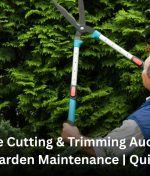
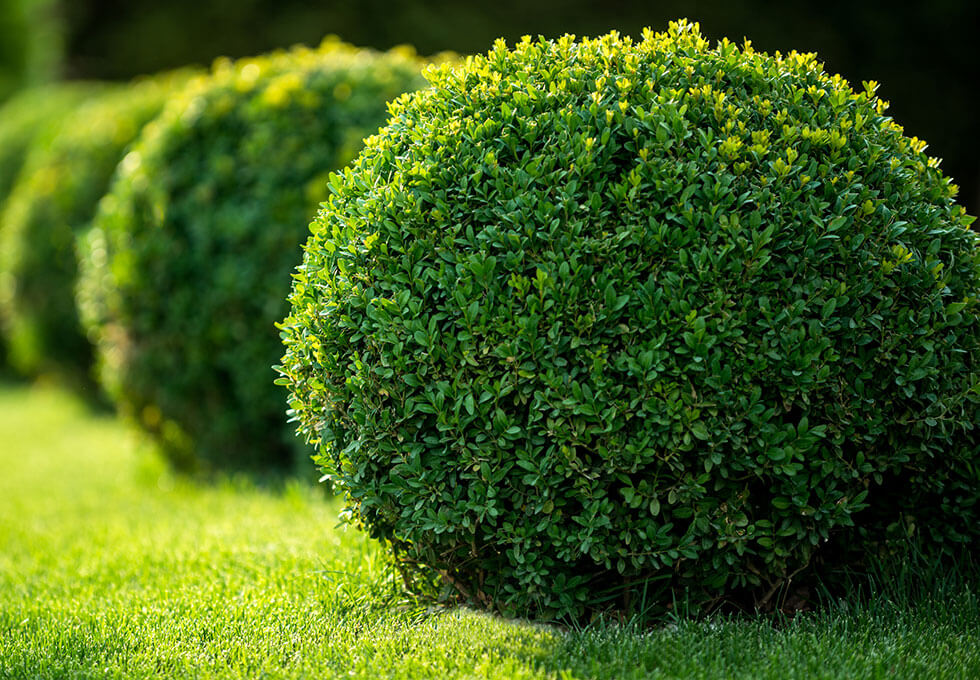
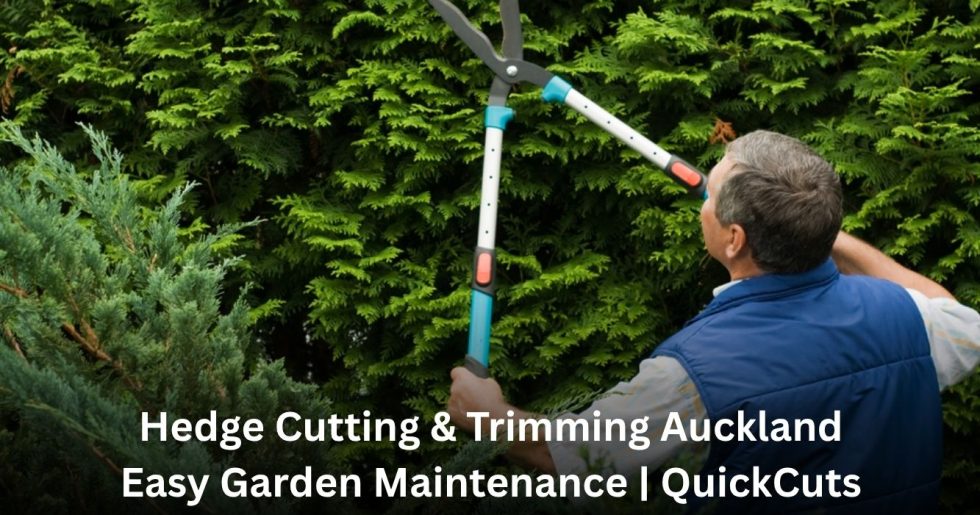
Hedge trimming is the controlled cutting of hedge growth to maintain its shape, size, health and appearance. Regular trimming removes unwanted growth, keeps paths and driveways clear, prevents hedges from becoming overgrown and encourages a more even structure.
For Auckland properties, the right trimming schedule depends on the plant type, growth rate, location and season.
Why Hedge Trimming Matters in Auckland
A hedge does several jobs in a garden.
It can provide privacy, divide different parts of a property, soften fences, reduce views into outdoor areas and add structure to landscaping. But a hedge only works well when it is kept under control.
An unmanaged hedge can create several everyday problems:
- Branches can grow over footpaths and driveways.
- Dense growth can block windows and outdoor lighting.
- Hedges can become difficult to access and trim.
- Dead or weak material can build up inside the plant.
- Uneven growth can make an otherwise tidy garden look neglected.
- Overgrown branches can interfere with fences, gates and neighbouring spaces.
- Thick growth may make garden maintenance harder.
There is also a practical issue. The longer a hedge is left unchecked, the more difficult the job can become.
A light trim is usually much easier than trying to reshape a hedge that has been neglected for years.
In simple terms
Think of hedge trimming as routine garden maintenance rather than an occasional rescue job. Small, well-timed cuts are often easier on the plant and easier on the property owner than allowing excessive growth and tackling it all at once.
How Often Should You Trim a Hedge in Auckland?
There is no single schedule that works for every hedge.
Fast-growing hedges may need regular attention, while slower-growing varieties can remain tidy for longer. The location also matters. A hedge beside a footpath may need trimming sooner than one at the back of a large garden.
A useful starting point is to check the hedge regularly during periods of active growth.
Look for:
- New shoots extending beyond the main shape
- Branches covering paths or entrances
- Growth becoming wider than intended
- Uneven or patchy sections
- Branches touching buildings or fences
- Excessive growth around gates and access points
For many Auckland gardens, regular maintenance during active growing periods can prevent a much larger cutting job later.
What about seasonal trimming?
The best timing depends on the hedge species. Some plants tolerate regular shaping well, while others need more careful pruning.
This is one reason professional hedge pruning Auckland services should consider the actual plant rather than simply cutting every hedge in the same way.
Hedge Cutting vs Hedge Pruning: Is There a Difference?
The terms are often used interchangeably, but there is a useful distinction.
Hedge cutting generally refers to trimming back growth to control the size and shape of an established hedge.
Hedge pruning can involve more selective removal of branches to improve the plant’s structure, manage unwanted growth or encourage healthier development.
A hedge may need one, the other, or both.
For example, a formal hedge may mainly need regular shaping. A neglected hedge may require more careful branch removal before it can return to a manageable form.
What Does Professional Hedge Trimming Involve?
Professional hedge work is not simply a matter of running a trimmer along the top.
A good job starts with looking at the hedge and the surrounding property.
1. Assessing the hedge
The first step is to check its height, width, density, condition and location.
The type of hedge also matters. Different plants respond differently to cutting.
2. Checking the surrounding area
Before work begins, paths, garden beds, fences, outdoor furniture, vehicles and other nearby areas should be considered.
This helps reduce the chance of damage and makes cleanup easier.
3. Establishing the desired shape
The goal is not always to cut a hedge as short as possible.
A practical shape should suit the property, the plant and the owner’s maintenance needs.
4. Removing unwanted growth
Excess growth is cut back while maintaining the main structure of the hedge.
Where appropriate, selective pruning can also remove problematic branches.
5. Keeping the shape consistent
A straight, even hedge often requires attention from several angles.
Experienced gardeners look at the hedge from a distance as well as close up. This helps reveal uneven sections that may not be obvious while standing directly beside the plant.
6. Cleaning the site
Cuttings should not simply be left scattered across lawns, paths or garden beds.
A professional garden maintenance job includes leaving the area neat and usable.
Quick Answer: What Makes Professional Hedge Trimming Better?
Professional hedge trimming combines plant knowledge, suitable equipment, controlled cutting and proper cleanup. The objective is not just to remove growth but to leave the hedge healthy, proportionate and suitable for the surrounding garden.
Common Hedge Trimming Mistakes Homeowners Make
DIY hedge maintenance can work well for smaller jobs, but several mistakes are common.
Cutting too much at once
Taking large amounts of growth off a hedge without understanding the plant can leave it looking bare or uneven.
Making the hedge wider at the top
This is an easy mistake when shaping a hedge.
In many situations, keeping the lower section slightly wider than the upper section helps light reach more of the plant.
Ignoring the inside of the hedge
A hedge can look fine from the street while becoming very dense inside.
Over time, this can make future maintenance more difficult.
Trimming without checking the plant
Not every hedge should be treated the same way. Growth habits, plant age and seasonal conditions all matter.
Forgetting the cleanup
Cut branches left on a lawn can smother grass and make an otherwise finished garden look messy.
Waiting until the hedge becomes a major problem
This is perhaps the most expensive mistake in terms of time and effort.
Regular maintenance is usually easier than repeated major cutbacks.
Garden Hedge Trimming: A Practical Maintenance Routine
If you want your garden to stay manageable, hedge care should be part of a wider maintenance routine.
A simple routine can include:
- Inspect hedges regularly.
- Look for excessive outward growth.
- Check paths, gates and driveways.
- Remove small amounts of unwanted growth when appropriate.
- Watch for damaged or dead branches.
- Keep the base of the hedge accessible.
- Clear trimmings after cutting.
- Combine hedge work with lawn and garden maintenance where practical.
This approach prevents one garden task from becoming an overwhelming weekend project.
How Hedge Trimming Fits Into Lawn and Garden Maintenance
Hedges rarely exist on their own.
A property may have lawns, garden beds, trees, shrubs, fences, pathways and landscaped areas all competing for attention.
That is why experienced garden maintenance providers often look at the outdoor space as a whole.
For example, trimming a hedge may expose overgrown grass beneath it. Clearing that grass may reveal weeds around the garden edge. Once those areas are cleaned up, the hedge itself can become a much stronger visual feature.
This is where hedge maintenance services can complement professional lawn mowing, landscaping and general garden care.
A coordinated maintenance visit can help keep the whole property looking consistent instead of fixing one problem while leaving three others behind.
When Should You Search for “Hedge Trimming Near Me”?
People usually search hedge trimming near me when a hedge has become too large, too messy or simply difficult to manage.
Local professional help can be especially useful when:
- The hedge is tall or difficult to reach safely.
- There is a large amount of growth to remove.
- Several hedges need attention.
- The hedge is growing around gates, paths or buildings.
- You need regular garden maintenance.
- You are preparing a property for sale or rental.
- You manage a commercial property.
- You do not have the right equipment.
- Garden waste would be difficult to handle yourself.
Local knowledge can also help because Auckland properties vary considerably. A compact city garden has very different maintenance needs from a large suburban section.
Hedge Cutting Services Auckland: What Should You Look For?
Choosing a service should not be based only on how quickly someone can cut the hedge.
Look for a provider that understands the wider garden.
A reliable service should be able to explain:
- What type of maintenance the hedge needs
- How much growth should be removed
- How the hedge can be kept manageable
- What surrounding garden work may be required
- How green waste and cuttings will be handled
- Whether ongoing maintenance would be useful
Good communication matters too.
If you want a hedge maintained at a particular height or shape, explain that before work begins. A clear discussion can prevent disappointment later.
Auckland Areas Where Regular Hedge Maintenance Can Help
Hedge maintenance can be useful across many Auckland settings, including residential and commercial properties.
This includes established suburbs such as:
- Auckland Central
- Ponsonby
- Grey Lynn
- Parnell
- Grafton
- Mount Eden
- Epsom
- Remuera
- Newmarket
- Onehunga
- Howick
- North Shore suburbs
- West Auckland communities
The exact maintenance needs will vary from property to property.
Older gardens may have mature hedges that require careful shaping, while newer developments may need regular trimming to keep fast-growing plants under control.
Expert Insight: The Best Hedge Is Not Always the Shortest Hedge
One of the biggest misunderstandings in hedge maintenance is assuming that cutting a hedge very short automatically makes it easier to manage.
It does not always work that way.
A hedge needs enough healthy growth to maintain its structure. Repeatedly cutting too aggressively can create an unattractive shape or leave sections struggling to produce healthy new growth.
A better approach is to manage the hedge according to its growth habit and the role it plays in the garden.
For a privacy hedge, maintaining useful screening may be more important than achieving an extremely short finish.
For a formal entrance hedge, shape and clean lines may be the priority.
For a boundary hedge, controlling width and preventing growth into neighbouring areas may matter most.
Good hedge maintenance starts with the purpose of the hedge.
Professional Garden Maintenance Can Save More Than Time
Many homeowners can handle basic garden work.
The problem is often consistency.
A lawn may be mowed regularly, but the hedges get forgotten. A hedge may be trimmed, but the garden beds become overgrown. Tree branches may be left until they become a larger job.
Professional garden maintenance can bring these tasks together.
Instead of reacting whenever something becomes obviously overgrown, property owners can use a regular maintenance routine.
That can be particularly useful for busy Auckland homeowners, landlords, property managers and businesses that want outdoor areas to remain presentable without constantly managing the work themselves.
QuickCuts: Professional Help for Auckland Outdoor Spaces
QuickCuts provides lawn, landscaping and garden services designed to help Auckland homeowners and businesses keep their outdoor spaces under control.
Its wider service approach includes professional lawn mowing, landscaping, garden maintenance and tree care.
That matters because hedge trimming is often only one part of a property’s maintenance needs.
A hedge may need trimming at the same time that the lawn needs mowing, garden edges need attention or other overgrown areas need cleaning up.
Working with a provider that understands the wider outdoor space can make ongoing maintenance simpler.
For property owners who want their gardens to look tidy without spending every weekend dealing with overgrowth, professional support can be a practical option.
A Simple Hedge Maintenance Checklist
Before arranging or carrying out hedge work, ask these questions:
- Is the hedge growing beyond its intended shape?
- Is it blocking a path, driveway, window or gate?
- Has the hedge become too wide?
- Are there dead or damaged branches?
- Does the plant need shaping or more selective pruning?
- Can the hedge be reached safely?
- Do you have the correct equipment?
- What will happen to the cuttings?
- Does the rest of the garden need maintenance at the same time?
These questions make it easier to decide whether a quick trim is enough or whether professional help would be more suitable.
What Is the Future of Hedge and Garden Maintenance?
Garden maintenance is becoming less about occasional big cleanups and more about keeping properties consistently manageable.
For busy households, this means scheduled maintenance rather than waiting for everything to become overgrown.
There is also greater interest in gardens that are practical and easier to maintain. Homeowners increasingly want outdoor spaces that look good without requiring constant work.
That makes sensible plant selection, correct hedge shaping, regular lawn care and planned garden maintenance increasingly important.
The goal is simple: less garden stress and a property that stays presentable throughout the year.
Quick Summary: Better Hedge Maintenance in Auckland
For healthier and easier-to-manage hedges:
- Trim according to the plant’s growth habits.
- Do not remove excessive growth without a reason.
- Keep hedge width under control.
- Check paths, gates and driveways regularly.
- Avoid treating every hedge in exactly the same way.
- Combine hedge work with wider garden maintenance where useful.
- Clean up all cuttings after trimming.
- Consider professional help for tall, large or neglected hedges.
- Use regular maintenance to prevent major overgrowth.
Frequently Asked Questions
How often should hedges be trimmed in Auckland?
It depends on the hedge species, growth rate, desired shape and location. Fast-growing hedges may need more frequent attention, while slower-growing varieties can go longer between trims. Regular inspections are the best way to decide when work is needed.
What is included in hedge trimming services?
Professional hedge trimming can include assessing the hedge, removing unwanted growth, shaping the plant, controlling its width and height, dealing with selected branches and cleaning up the resulting garden waste.
Is hedge trimming the same as hedge pruning?
Not exactly. Hedge trimming usually focuses on controlling the size and shape of established growth. Pruning can involve more selective branch removal to manage the plant’s structure and growth. Some hedges need both.
Should I search for hedge trimming near me or use a regular gardener?
If you only need a small occasional trim, you may be able to handle it yourself. For large, tall, neglected or regularly maintained hedges, searching for a professional hedge trimming near me service can save time and help produce a more consistent result.
When is the best time for hedge pruning in Auckland?
The ideal timing depends on the hedge species and the amount of growth that needs to be removed. Instead of following one schedule for every plant, it is better to consider the specific hedge, its growth pattern and the condition of the garden.
Can hedge trimming be combined with lawn and garden maintenance?
Yes. Hedge trimming can be coordinated with lawn mowing, garden maintenance, landscaping and other outdoor work. Combining services can make it easier to keep the entire property looking neat rather than maintaining each part separately.
Final Thoughts
A well-maintained hedge can completely change how an Auckland property looks and feels.
It can frame a garden, improve privacy, define boundaries and give an outdoor area a much cleaner appearance. But good results come from regular care rather than cutting everything back whenever the hedge becomes too large.
The key is to understand the plant, maintain an appropriate shape, control excessive growth and make hedge work part of a wider garden maintenance routine.
For homeowners and businesses that do not have the time, equipment or confidence to manage larger jobs, professional hedge trimming Auckland services can take the pressure off.
QuickCuts brings hedge care together with professional lawn mowing, landscaping, garden maintenance and tree care, helping Auckland properties stay tidy, practical and easier to manage.
If your hedge is starting to take over a path, block a view or make your garden look untidy, it may be time to deal with it before the job becomes harder. Regular professional care can keep your outdoor space looking its best while giving you one less garden task to worry about.