
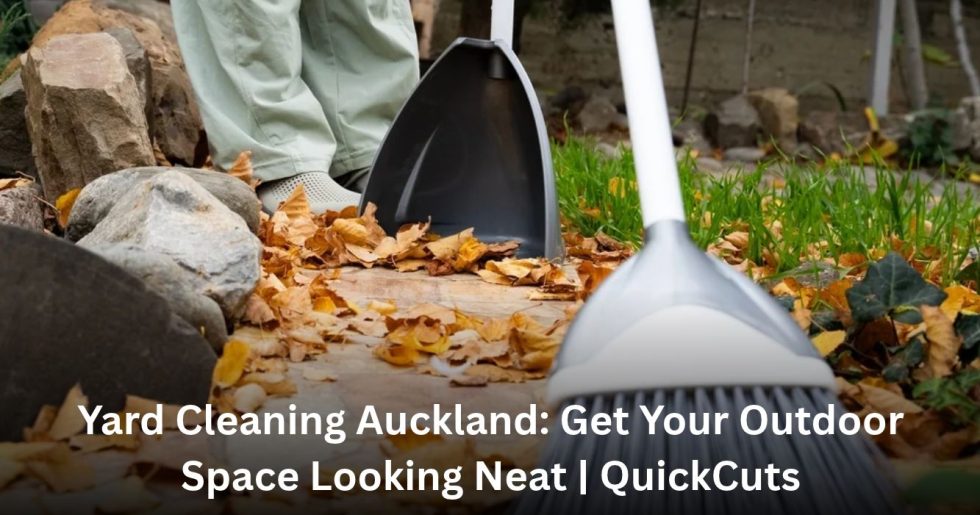
Introduction: A Clean Yard Makes Your Property Feel Better
An untidy yard can change the entire appearance of a property. Long grass, fallen leaves, overgrown shrubs, weeds, and piles of garden waste can make even a well-maintained home look neglected. For businesses and rental properties, the condition of outdoor areas can also affect first impressions.
In Auckland, outdoor spaces need regular attention. Warm growing conditions, seasonal rainfall, and periods of strong plant growth can quickly turn a tidy backyard into an area that needs serious work. Leaves collect around paths, weeds spread through garden beds, and grass becomes harder to manage when mowing is delayed.
Yard cleaning is the process of clearing outdoor areas, removing garden debris, controlling unwanted growth, and restoring a neat, usable space. It can involve anything from a simple garden tidy-up to a more extensive overgrown yard cleanup.
The important point is that yard cleaning is not just about appearance. Removing accumulated debris, improving access, and keeping lawns and garden beds under control can also support healthier outdoor spaces.
Whether you have a small backyard in Mount Eden, a family property in Henderson, a rental home in New Lynn, or commercial grounds in Albany, a practical cleaning plan can make outdoor maintenance easier.
This guide explains how to clean and maintain your yard, when to consider professional help, how garden waste should be handled, and how QuickCuts can support Auckland property owners with lawn, landscaping, and garden services.
What Does Yard Cleaning Include?
Yard cleaning covers the practical work needed to make an outdoor area tidy, accessible, and easier to maintain. The work depends on the property’s size, the amount of overgrowth, and the condition of the lawn and garden.
A typical yard cleaning service may include:
- Removing fallen leaves, branches, and loose garden debris.
- Clearing weeds from suitable garden areas.
- Mowing long or overgrown grass.
- Trimming hedges and shrubs where appropriate.
- Tidying lawn edges and garden borders.
- Collecting and arranging green waste for disposal.
- Clearing outdoor paths, entrances, and usable areas.
- Identifying garden areas that need further maintenance.
Quick Answer: Yard cleaning removes unwanted garden debris and overgrowth, tidies lawns and planting areas, and makes outdoor spaces safer, neater, and easier to use.
Not every property needs all these tasks. A small backyard may only need mowing, leaf removal, and a general tidy-up. A neglected section with thick vegetation may need staged clearing, pruning, waste handling, and follow-up maintenance.
The best approach is to assess the entire outdoor area before deciding which jobs should be completed first.
Why Regular Yard Cleaning Matters for Auckland Properties
A clean yard offers more than a better-looking garden. It helps prevent small maintenance problems from becoming larger and more time-consuming.
1. It supports lawn and garden health
Leaves, branches, and other debris can build up on lawns and garden beds. A thick layer of wet leaves may block light and hold moisture against grass, while accumulated debris can hide weeds and make it harder to spot damaged plants.
Removing unwanted material helps keep the garden visible and easier to inspect. It also gives grass and plants better access to the conditions they need.
However, not all organic material is waste. Some fallen leaves can be useful as compost or mulch when managed appropriately. The aim is to remove excessive or unsuitable debris rather than strip the garden of every natural material.
2. It helps prevent overgrowth
Grass, weeds, and shrubs can grow quickly during favourable weather. When maintenance is delayed, the work becomes more difficult.
Long grass may need careful staged mowing rather than being cut extremely short in one session. Overgrown shrubs can block walkways, while weeds may spread into lawn edges and garden beds.
Regular attention keeps these issues manageable.
3. It improves outdoor safety and access
Branches, slippery leaves, uneven vegetation, and hidden garden obstacles can make outdoor areas harder to navigate.
Keeping paths, entrances, steps, and access routes clear is especially important for families, older residents, tenants, visitors, and commercial properties.
Large branches or unstable trees should be assessed by an appropriately qualified professional rather than handled as ordinary yard waste.
4. It creates a better first impression
The front yard is often the first part of a property that visitors, customers, or prospective tenants see.
A mown lawn, tidy edges, clear pathways, and maintained garden beds can make a property look more cared for. For businesses, a neat outdoor area can contribute to a more welcoming environment.
In simple terms: Regular yard cleaning protects the appearance and usability of outdoor spaces while helping property owners identify maintenance issues early.
Signs Your Yard Needs a Proper Cleanup
Sometimes a quick mow is enough. In other cases, the entire outdoor area needs attention.
Look for these common signs:
- Grass is long, uneven, or difficult to mow.
- Weeds have spread across lawn edges and garden beds.
- Leaves and branches are collecting in corners.
- Hedges are blocking windows, paths, or entrances.
- Garden beds are difficult to identify because of overgrowth.
- Green waste has accumulated around the property.
- Outdoor seating or recreation areas are no longer usable.
- Water is pooling around garden areas or pathways.
- The front yard looks untidy despite occasional mowing.
If several of these problems are present, a general cleanup may deliver a better result than dealing with each issue separately.
How to Clean an Overgrown Yard: A Practical Step-by-Step Approach
An overgrown yard can look like one enormous job. Breaking it into stages makes the work more manageable and helps prevent unnecessary damage.
Step 1: Inspect the whole outdoor area
Before starting, walk around the property and identify what needs attention.
Check the lawn, garden beds, hedges, trees, paths, fences, and areas behind sheds or outdoor structures. Look for hidden objects, exposed roots, uneven ground, damaged branches, and signs of pests.
Separate ordinary cleaning tasks from work that may require specialist equipment or professional assessment.
For example, collecting fallen leaves is a routine job. Removing a large unstable tree branch near a building is not.
Step 2: Remove loose debris first
Collect fallen branches, rubbish, leaves, and other loose material before mowing or trimming.
This helps prevent debris from getting caught in mowing equipment and makes it easier to see the actual condition of the lawn.
Keep reusable organic material separate from general rubbish where practical. Suitable leaves and plant material can sometimes be composted, while diseased or invasive plant material may need different handling.
Step 3: Tackle weeds and unwanted growth
Remove weeds from accessible garden beds and lawn edges. The correct method depends on the weed type, how established it is, and the surrounding plants.
For small weeds, removing the roots where possible can reduce regrowth. For persistent weeds, identify the species before choosing a control method.
Avoid applying weed treatments without considering nearby plants, pets, children, and product instructions.
Step 4: Mow the lawn carefully
If grass has become very long, avoid cutting it down to a very short height in one pass. Removing too much leaf material can stress the lawn and leave it looking uneven or damaged.
A staged cut may be more appropriate for heavily overgrown grass. Adjust the mowing height to the grass type and conditions, and avoid mowing waterlogged ground.
Professional lawn mowing can be particularly useful when the lawn is large, uneven, or difficult to access.
Explore QuickCuts Auckland lawn mowing services.
Step 5: Trim hedges and shrubs appropriately
Trim plants to restore their shape and keep paths, entrances, and windows clear. However, avoid cutting every plant heavily at the same time.
Different species respond differently to pruning, and the best timing depends on their growth and flowering cycles. If you are unsure, seek advice before making major cuts.
Step 6: Collect and manage garden waste
Once the main cleaning work is complete, gather the green waste and arrange appropriate disposal or reuse.
This final stage matters. Leaving piles of cut vegetation around the property can make an otherwise successful cleanup look unfinished.
A clear waste-management plan should be considered before the work begins, particularly for large overgrown yards.
Garden Waste Removal Auckland: What Should You Do With the Waste?
Garden waste is one of the biggest parts of a large yard cleanup. Grass clippings, leaves, hedge trimmings, branches, weeds, and old plant material can quickly fill bags and containers.
Garden waste removal Auckland services help property owners deal with the green material created during garden maintenance and outdoor cleanups. Depending on the provider and the type of waste, this may involve collecting, loading, transporting, or arranging suitable disposal.
What counts as green waste?
Common examples include:
- Grass clippings from lawn mowing.
- Fallen leaves and small twigs.
- Hedge and shrub trimmings.
- Small branches from routine pruning.
- Weeds and unwanted plant material.
- Suitable garden-bed and plant debris.
Not everything from a yard belongs in a green waste collection. Plastic pots, treated timber, building materials, general rubbish, soil, and some invasive or diseased plants may need separate disposal arrangements. Check the requirements of your local waste provider or Auckland Council before placing materials in a collection.
Can garden waste be reused?
Yes. Some garden material can be reused rather than thrown away.
- Composting: Suitable leaves, grass clippings, and soft plant material can be composted when balanced correctly.
- Mulching: Some suitable woody material can be processed into mulch.
- Leaf mould: Collected leaves can break down into a useful soil-conditioning material.
- Garden-bed reuse: Healthy organic matter can sometimes be returned to suitable planting areas.
Avoid adding diseased plants, invasive weeds, or seed-heavy material to a home compost system unless you can manage the risks appropriately.
The right approach depends on the type and volume of waste. A small tidy-up may produce only a few bags, while an overgrown yard can create a much larger disposal job.
Leaf Removal Services Auckland: Why Leaves Should Not Be Ignored
Fallen leaves are a normal part of garden life, but leaving them to accumulate can create problems, particularly during wet weather.
A thick layer of leaves can cover grass, make paths slippery, and hide drainage channels or uneven surfaces. Wet leaves may also become compacted, making them harder to remove later.
Where should you check for leaf buildup?
Pay attention to:
- Lawns beneath large trees.
- Garden-bed edges and corners.
- Driveways and paved paths.
- Steps and entrance areas.
- Decking and outdoor seating spaces.
- Gutters and drainage points, where safely accessible.
Regularly clearing these areas can help keep the property tidy and reduce slip risks.
Do not climb onto roofs or use ladders to clear gutters unless you have the appropriate equipment and skills. For high or difficult-to-access areas, use a suitable professional.
How often should leaves be removed?
There is no single schedule for every Auckland property. A yard with mature trees may need frequent attention during periods of leaf fall, while an open property may only need occasional clearing.
The practical rule is to remove leaves before they form thick, wet layers over lawns and frequently used pathways.
Backyard Cleanup Services: When Is Professional Help Worthwhile?
Some yard cleaning jobs are manageable with basic tools and a free afternoon. Others involve significant overgrowth, heavy waste, difficult access, or work that requires specialist equipment.
Professional backyard cleanup services may be useful when:
- The property has not been maintained for several months.
- Grass and weeds have become difficult to control.
- There is a large volume of garden waste.
- Hedges and shrubs need careful shaping.
- The yard needs mowing, trimming, and clearing in one visit.
- You are preparing a rental property for new tenants.
- You need outdoor areas tidied before selling or hosting visitors.
- You manage commercial grounds that need a consistent appearance.
What happens during a professional yard cleanup?
The exact process depends on the property’s needs, but a well-organised service generally follows a clear sequence.
| Stage | Typical work |
| Assessment | Inspect the lawn, garden beds, access, and waste |
| Clearing | Remove loose rubbish, leaves, and suitable debris |
| Garden care | Weed, trim, prune, and tidy appropriate areas |
| Lawn work | Mow grass and neaten edges where required |
| Waste handling | Collect and manage green waste as agreed |
| Final check | Review paths, entrances, and main outdoor areas |
The important difference is coordination. When mowing, trimming, clearing, and waste collection are planned together, the finished result is usually more consistent than completing isolated tasks without an overall plan.
Before booking, clarify what is included. Ask whether green waste removal, heavy branches, specialist tree work, and follow-up maintenance are part of the service or require separate arrangements.
Common Yard Cleaning Mistakes That Can Make More Work
A rushed cleanup can leave the garden looking better for a few days but create problems later. These mistakes are worth avoiding.
Cutting overgrown grass too short
When long grass is cut too aggressively, the lawn can become stressed and patchy. A gradual reduction is often safer for heavily overgrown areas.
Pruning everything at once
Not every shrub or hedge should be cut back heavily at the same time. Poorly timed pruning can reduce flowering, damage growth, or leave plants struggling to recover.
Leaving green waste behind
Cut branches and piles of leaves can make a finished yard look incomplete. Decide how waste will be reused or removed before starting the job.
Ignoring drainage and hidden problems
A cleanup can reveal low spots, damaged edging, exposed roots, or areas where water regularly collects. Do not simply cover these issues with soil or mulch. Understand the cause first.
Using unsuitable tools
Blunt mower blades, poorly maintained trimmers, and incorrect cutting equipment can produce rough results or create safety risks. Use tools designed for the task and follow their safety instructions.
Trying to handle dangerous tree work alone
Large branches, unstable trees, overhead work, and chainsaw operations can be hazardous. Tree work beyond routine ground-level garden care should be assessed by an appropriately qualified professional.
Expert insight: A good cleanup should make the next round of maintenance easier. If the same areas become overgrown immediately, the property may need a better ongoing maintenance plan rather than another major one-off tidy-up.
How to Keep Your Yard Clean After a Cleanup
Once your outdoor space is tidy, a straightforward routine can help protect the result.
Create a simple maintenance schedule
Divide tasks into manageable intervals rather than waiting until everything needs attention.
Weekly or as needed
- Check paths and entrances for leaves and debris.
- Remove visible weeds before they spread.
- Check whether grass needs mowing.
Monthly or seasonally
- Inspect hedge growth and garden-bed edges.
- Clear accumulated organic material.
- Check for blocked or poorly draining areas.
- Review plants that are becoming overcrowded.
When conditions require it
- Arrange lawn mowing during active growth.
- Remove storm-damaged branches safely.
- Refresh suitable mulch.
- Organise a larger garden tidy-up when growth gets ahead of routine care.
The schedule should be adjusted to the size of the property, plant types, weather, and how frequently the outdoor areas are used.
Make future cleaning easier through better layout
If a particular part of the yard is always difficult to maintain, consider changing it.
For example, a narrow grass strip between a fence and garden bed may take longer to trim than a clearly defined planting area. A simple path may reduce foot traffic across wet grass. A suitable mulch bed may make weeding easier than maintaining an awkward patch of lawn.
This is where garden maintenance and landscaping work together. A practical layout can reduce recurring effort.
Yard Cleaning for Homes, Rental Properties, and Businesses
Different properties have different outdoor maintenance priorities.
Residential homes
Homeowners usually want clean lawns, usable backyards, tidy garden beds, and clear paths. Families may also need outdoor areas kept free from loose branches and debris.
Rental properties
Landlords and property managers often need a consistent outdoor appearance between inspections and tenancies. A planned cleanup can help address overgrown lawns, neglected garden beds, and accumulated waste before these issues become harder to manage.
Commercial properties
Businesses benefit from tidy entrances, maintained lawns, and accessible outdoor areas. Regular cleaning can help present a professional image to customers, staff, and visitors.
For all three property types, the best approach is to match the cleaning work to how the space is used and how often it needs attention.
QuickCuts: Helping Auckland Properties Stay Neat and Well Maintained
Keeping a yard in good condition involves more than removing leaves and cutting grass. Lawns, hedges, garden beds, trees, and outdoor access areas all need suitable care to keep the property looking organised.
QuickCuts provides lawn, landscaping, and garden services for Auckland residential and commercial properties. Depending on the work required, its services can support property owners with lawn mowing, garden maintenance, hedge trimming, garden makeovers, and outdoor tidy-ups.
For a homeowner, this may mean getting an overgrown backyard back into a usable condition. For a landlord, it may mean preparing outdoor areas for a new tenancy. For a business, it may mean keeping lawns and entrances presentable throughout the year.
If your property needs more than a basic tidy-up, it helps to explain the full scope of the work when discussing the service. Mention the condition of the lawn, the amount of garden waste, access restrictions, and any areas that need special attention.
You can explore QuickCuts lawn, yard, and garden services in Auckland to see which services may suit your property.
The Future of Yard Cleaning: Practical, Sustainable Outdoor Care
Property owners are increasingly looking for outdoor spaces that stay tidy without creating unnecessary maintenance work or waste.
A few practical approaches are becoming especially useful:
- Smarter green waste management: Composting and suitable mulch reuse can reduce the amount of organic material sent for disposal.
- Simplified garden layouts: Clearly defined lawn and planting areas make mowing, trimming, and cleaning easier.
- Climate-aware maintenance: Adjusting garden care to rainfall and seasonal growth helps prevent unnecessary work.
- Preventive maintenance: Small, regular cleanups can reduce the need for expensive or time-consuming restoration jobs.
- Efficient equipment: Well-maintained mowing and trimming equipment can improve the quality and consistency of routine garden work.
The direction is clear: outdoor maintenance is moving towards practical, planned care rather than waiting until a garden becomes heavily overgrown.
Conclusion: Keep Your Auckland Yard Clean, Healthy, and Ready to Enjoy
A neat outdoor space does not happen by accident. It takes regular attention to lawns, garden beds, hedges, fallen leaves, and green waste. When these tasks are delayed, small problems can develop into larger cleanup jobs that take more time and effort.
A practical yard cleaning plan helps restore the appearance of your property, improve access, support healthier garden conditions, and make ongoing maintenance easier. Whether you need a one-off overgrown yard cleanup, garden waste removal, leaf clearing, or regular lawn and garden care, the right approach depends on your property’s needs.
For homeowners, landlords, property managers, and businesses across Auckland, professional help can make outdoor maintenance more manageable.
QuickCuts supports outdoor property care through lawn mowing, landscaping, garden maintenance, and related services. If your yard is looking untidy or has become difficult to manage, consider arranging the right maintenance work before the problems grow.
Give your outdoor space the attention it needs and make it somewhere you are happy to spend time.
Frequently Asked Questions About Yard Cleaning Auckland
1. What does a yard cleaning service in Auckland include?
A yard cleaning service may include leaf removal, weed clearing, lawn mowing, hedge trimming, garden tidying, and collecting garden debris. The exact work depends on the property’s condition and the service agreed with the provider.
2. How do I clean up an overgrown yard?
Start by inspecting the property and removing loose rubbish, leaves, and branches. Then tackle weeds, trim suitable plants, and mow the lawn carefully. For extensive overgrowth or hazardous tree work, consider professional assistance.
3. Where can I get garden waste removal in Auckland?
You can arrange garden waste removal through suitable green waste collection providers or a garden maintenance service that includes waste handling. Confirm which materials are accepted and whether collection or disposal is included.
4. How often should I arrange yard cleaning?
It depends on the size of your property, grass growth, nearby trees, and the amount of garden maintenance required. Many properties benefit from regular light cleaning, with larger seasonal tidy-ups when necessary.
5. Are leaf removal services necessary for Auckland gardens?
Leaf removal is useful when fallen leaves build up on lawns, paths, driveways, or outdoor areas. Removing thick, wet layers helps maintain access, reduce slippery surfaces, and prevent grass from being covered for extended periods.
6. Can professional backyard cleanup services help with rental properties?
Yes. A professional cleanup can help landlords and property managers restore overgrown lawns, tidy garden beds, clear leaves, and improve outdoor presentation before a property inspection or new tenancy.