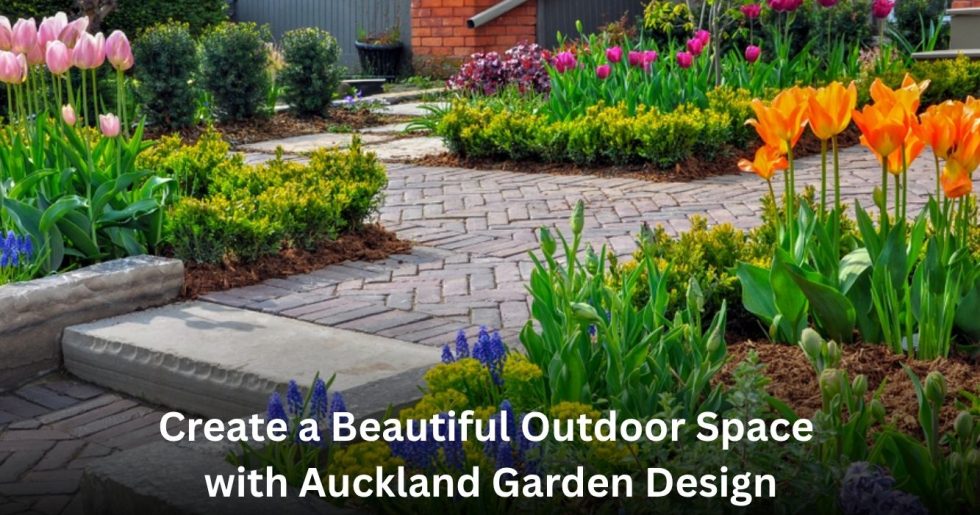
Auckland homes are often defined by their outdoor spaces. A well-planned garden can make a small backyard feel more useful, give a family more room to relax, and make a commercial property look cared for from the moment visitors arrive.
But creating a beautiful garden is not simply about planting a few flowers or adding new mulch. Good garden design brings together the layout, lawn, plants, pathways, outdoor areas, drainage, maintenance requirements, and the way people actually use the property.
For many Auckland homeowners, the challenge is knowing where to begin. An established garden may have become overgrown, an outdated backyard may no longer suit the family, or a lawn and planting areas may require more maintenance than expected.
This guide explains how thoughtful Garden Makeovers can improve an outdoor space, what professional garden landscaping services involve, common mistakes to avoid, and how to create a garden that remains attractive and practical throughout the year.
What Is Auckland Garden Design?
Quick Answer: Auckland garden design is the process of planning and improving an outdoor area so that its plants, lawn, hard surfaces, garden features, and usable spaces work together. A good design considers the property’s size, sunlight, soil, drainage, lifestyle, local climate, and long-term maintenance needs.
Garden design is more than appearance. It is about making sensible decisions before the physical work begins.
For example, a family with children may need open lawn space, durable planting, and clear pathways. A busy homeowner may prefer low-maintenance garden ideas with hardy plants and simple garden beds. A commercial property may need tidy borders, attractive entrances, and landscaping that continues to look presentable without constant attention.
In Auckland, the coastal climate, rainfall, changing weather, and different soil conditions across suburbs can also influence plant selection and garden planning.
That is why a successful garden should be designed around the property rather than copied from another home.
Why Garden Design Matters for Auckland Properties
A garden affects much more than the appearance of a property.
When the layout is poorly planned, even a large backyard can feel cramped. Plants may compete for space, water can collect in the wrong areas, and lawn edges can become difficult to maintain.
A considered design can solve these problems before they become expensive maintenance issues.
Better use of available space
Garden redesign can help divide an outdoor area into practical zones.
A backyard might include:
- An open lawn for children and pets
- A seating or entertaining area
- Garden beds for colour and texture
- Screening plants for privacy
- Paths connecting different areas
- A dedicated space for trees or feature plants
The aim is not to fill every available section. Good design leaves enough breathing room for the garden to feel balanced.
Healthier lawn and plants
Plant placement affects lawn health. Large trees can create shade, while dense planting near grass can compete for moisture and nutrients.
Likewise, a lawn that receives too much shade may struggle regardless of how often it is mowed.
Professional planning looks at these relationships before deciding where plants, lawn areas, and garden beds should go.
Easier maintenance
A beautiful garden that takes several hours every weekend to maintain may not be practical for every household.
This is where maintenance planning becomes important.
The right plant selection, sensible spacing, accessible garden beds, manageable lawn areas, and appropriate ground cover can reduce unnecessary work.
Garden Makeovers: More Than a Cosmetic Change
A garden makeover does not always mean completely removing everything and starting again.
In many properties, the best results come from keeping what works and changing what does not.
In simple terms: A garden makeover should improve the function, appearance, and maintainability of an outdoor space while making sensible use of existing features.
A professional assessment may identify healthy mature trees worth keeping, established plants that can be relocated, lawn areas that can be reshaped, and sections where drainage or soil preparation needs attention.
A makeover might involve:
- Removing unwanted or overgrown vegetation.
- Reshaping garden beds.
- Improving soil conditions.
- Replacing unsuitable plants.
- Repairing or redesigning lawn areas.
- Adding pathways or edging.
- Creating outdoor living zones.
- Improving privacy with appropriate planting.
- Applying mulch or suitable ground cover.
- Establishing a practical maintenance routine.
The important point is that every property has different needs.
How Professional Garden Landscaping Services Work
Professional garden landscaping services generally begin with an assessment rather than immediate physical work.
1. Assessing the existing garden
The first step is understanding what is already there.
A landscaping professional will consider:
- Sun and shade patterns
- Existing trees and plants
- Lawn condition
- Soil quality
- Drainage
- Access to the property
- Available outdoor space
- Privacy requirements
- How the garden will be used
This assessment helps prevent poor decisions later.
2. Understanding how the space will be used
A garden should reflect the people using it.
For example, an Auckland couple who enjoys outdoor entertaining may need a different layout from a family that wants a large lawn for children.
A commercial property may have completely different priorities, such as presentation, access, safety, and consistent maintenance.
3. Developing the garden layout
The next stage is deciding where different elements should sit.
This may include lawn, garden beds, trees, screening plants, paths, seating areas, retaining structures, or decorative features.
Good layouts also consider what the garden will look like after plants mature. A small plant placed too close to a pathway may eventually become a problem when it grows.
4. Preparing the site
Preparation is often the difference between a garden that establishes well and one that struggles.
Depending on the property, preparation can involve vegetation removal, soil improvement, levelling, lawn preparation, drainage work, edging, or clearing unwanted growth.
Skipping this stage can create problems that become much harder to correct later.
5. Planting and finishing
Plants are selected according to their position and purpose rather than simply their appearance.
A professional may choose different species for sunny areas, shaded corners, exposed sections, privacy screens, feature planting, or low-maintenance beds.
The final stage may include mulching, lawn work, edging, cleanup, and establishing a maintenance plan.
Backyard Landscaping Should Work With the Property
One common landscaping mistake is trying to force a particular style onto a property.
A garden that looks excellent in a large open section may feel completely wrong in a narrow Auckland backyard.
Quick Answer: Effective backyard landscaping works with the property’s natural shape, light, existing vegetation, and intended use. The goal is to make the space more useful and attractive without creating unnecessary maintenance.
Consider a compact backyard.
Instead of filling it with numerous small features, a better approach may be to create one strong lawn area, a simple planting border, a clear pathway, and carefully selected screening plants.
In a larger section, different zones can create structure without making the garden feel crowded.
The best design is often the one that looks natural rather than overly constructed.
Low-Maintenance Garden Ideas for Busy Auckland Homeowners
Low maintenance does not mean no maintenance.
Every living garden requires some care. The objective is to reduce unnecessary work while keeping the space healthy and attractive.
Useful low-maintenance garden ideas include:
- Choosing plants suited to the property’s conditions
- Avoiding excessive numbers of plant varieties
- Using mulch to help retain soil moisture
- Creating practical lawn shapes that are easy to mow
- Grouping plants with similar watering requirements
- Using suitable ground covers
- Leaving enough space between mature plants
- Planning access for future pruning and maintenance
- Choosing durable edging and pathways
Plant maturity is particularly important.
A garden can look sparse immediately after planting, but filling every gap too quickly can create overcrowding within a few years.
Experienced landscapers think about the garden’s future size, not just how it looks on installation day.
Garden Renovation Services: When Is It Time for a Change?
Not every tired garden needs a complete rebuild.
However, several signs suggest that garden renovation services may be worthwhile.
These include:
- Plants have become overcrowded.
- Garden beds are difficult to maintain.
- Lawn areas are patchy or poorly shaped.
- Paths no longer suit the space.
- Drainage problems keep returning.
- Trees or shrubs have outgrown their positions.
- The garden no longer suits the household.
- Privacy has become a concern.
- The outdoor space is rarely being used.
Sometimes a partial renovation provides the biggest improvement.
For example, replacing an overgrown garden border, reshaping the lawn, improving soil, and adding a few carefully selected plants can completely change the appearance of a backyard without removing every established feature.
Common Garden Design and Maintenance Mistakes
Even well-intentioned garden projects can go wrong.
Choosing plants based only on appearance
A plant may look attractive at a nursery but perform poorly in a particular location.
Light, soil, wind, moisture, mature size, and maintenance requirements all matter.
Planting too closely
This is one of the most common mistakes.
Plants need room to develop. Overcrowding can increase pruning requirements and reduce airflow.
Ignoring drainage
Waterlogged soil can damage lawns and plants, while excessive runoff can cause erosion.
Drainage should be considered during the planning stage rather than treated as an afterthought.
Making lawn areas unnecessarily complicated
Curved and highly segmented lawns can look interesting, but every extra edge adds mowing and trimming work.
If easy maintenance is a priority, keep lawn shapes practical.
Forgetting ongoing maintenance
A garden is not finished when the planting is complete.
Regular lawn mowing, pruning, weeding, fertilizing when appropriate, mulching, garden cleanup, and tree care help preserve the original design.
Lawn Mowing and Garden Maintenance Work Together
Garden design and lawn care should not be treated as completely separate services.
A poorly maintained lawn can make an otherwise attractive garden look unfinished.
Regular professional lawn mowing helps maintain an even appearance and prevents grass from becoming excessively long. Trimming around garden edges, pathways, trees, and landscape features also creates a cleaner finish.
Maintenance should also be adjusted according to seasonal growth.
Auckland gardens can experience strong growth during wetter and warmer periods. Rather than following exactly the same routine throughout the year, mowing, pruning, weed management, and planting work should respond to actual growing conditions.
That practical approach helps protect the garden while keeping maintenance manageable.
Expert Insight: Design for the Garden You Will Have, Not Just the Garden You Want Today
One of the most useful lessons in landscaping is to think beyond installation day.
Ask:
What will this garden look like in three years?
A young tree will become larger. Shrubs will spread. Roots will occupy more soil. Hedges will require trimming. Lawn edges will need regular attention.
A good garden design anticipates these changes.
This is particularly important around buildings, pathways, fences, drainage systems, and utility areas.
Professional experience matters because many landscaping problems are not obvious when a garden is newly installed. The design may look perfect at first, but poor spacing or unsuitable plant selection can create maintenance problems later.
Planning for maturity helps protect both the appearance and usability of the garden.
How Quick Cuts Can Help With Your Outdoor Space
For homeowners and businesses looking to improve their outdoor areas, QuickCuts provides professional lawn, landscaping, garden maintenance, and tree care services.
The practical benefit of using one experienced team is that different parts of the property can be considered together.
A garden makeover, for example, should not ignore the lawn. Tree work should consider surrounding plants and access. Garden maintenance should support the original landscaping rather than simply keeping everything trimmed.
Quick Cuts can help with services such as:
- Professional lawn mowing
- Garden maintenance
- Garden makeovers
- Landscaping
- Garden cleanup
- Tree care
- Outdoor property maintenance
For Auckland properties, this joined-up approach can make ongoing garden care easier and help maintain a consistent appearance.
Whether the property is a residential backyard, rental property, commercial site, or larger outdoor area, the right service should be based on the actual condition and requirements of the space.
A Practical Approach to Planning Your Garden Makeover
If you are considering a garden redesign, start with the basics.
Step 1: Identify the biggest problem
Is the garden overgrown? Difficult to mow? Lacking privacy? Poorly drained? Simply outdated?
Fixing the main problem first often produces the greatest improvement.
Step 2: Decide how you want to use the space
Think about entertaining, children, pets, relaxation, gardening, privacy, or simply having an attractive view from inside the house.
Step 3: Consider maintenance
Be honest about how much time you want to spend maintaining the garden.
This will influence lawn size, plant selection, garden bed design, and the amount of pruning required.
Step 4: Think about the future
Consider mature plant sizes, seasonal changes, tree growth, access, and long-term maintenance.
Step 5: Get professional advice when the project becomes complicated
Large trees, drainage problems, extensive garden renovation, difficult access, major lawn changes, or significant landscaping work can benefit from professional assessment.
The Future of Auckland Garden Design
Garden design is increasingly moving towards practical outdoor spaces rather than gardens that simply look attractive in photographs.
Homeowners are looking for gardens that support outdoor living, provide privacy, remain manageable, and work with the property’s natural conditions.
There is also growing interest in planting that supports biodiversity, using water more responsibly, reducing unnecessary lawn areas, and selecting plants that can cope with local conditions.
For many Auckland properties, the future is not about making gardens more complicated. It is about making them smarter.
A well-designed garden should provide beauty without creating avoidable maintenance problems.
Create an Outdoor Space That Works for You
A beautiful garden does not have to be complicated. The strongest outdoor spaces usually come from thoughtful planning, suitable plants, practical lawn areas, good soil preparation, sensible layouts, and consistent maintenance.
Whether you need a complete garden redesign or a smaller improvement to an existing backyard, the important thing is to consider how the garden will look and function over time.
Garden Makeovers can transform an outdoor area, but lasting results depend on what happens after the makeover too. Regular lawn mowing, garden maintenance, pruning, cleanup, and appropriate tree care help preserve the work and keep the property looking cared for.
For Auckland homeowners, landlords, businesses, and property owners who want professional help, QuickCuts offers a practical approach to lawn, landscaping, garden, and tree care.
A better outdoor space starts with a good plan. The right professional support can then turn that plan into a garden that is attractive, useful, and easier to maintain year after year.
Frequently Asked Questions
What is the best way to start a garden makeover?
Start by identifying the garden’s biggest problems, such as poor layout, overgrown plants, unhealthy lawn, drainage, or excessive maintenance. Then plan the new layout around how the space will actually be used.
How can garden landscaping services improve a backyard?
Professional garden landscaping services can improve the layout, lawn areas, planting, pathways, privacy, drainage, and overall usability of a backyard while considering long-term maintenance.
What are good low-maintenance garden ideas for Auckland homes?
Choose plants suited to the local conditions, use mulch, avoid overcrowding, keep lawn shapes practical, group plants with similar needs, and plan enough access for pruning and maintenance.
When should I consider garden renovation services?
Consider garden renovation when plants are overgrown, lawn areas are difficult to maintain, drainage problems continue, the layout no longer works, or the outdoor space no longer suits your lifestyle.
Does garden design include lawn mowing and maintenance?
Garden design itself is the planning stage, but ongoing lawn mowing and garden maintenance are important for protecting the finished result. Regular care keeps lawns, plants, edges, and garden features looking their best.
Can Quick Cuts help with garden makeovers in Auckland?
Yes. Quick Cuts provides lawn mowing, landscaping, garden maintenance, garden makeover, garden cleanup, and tree care services for Auckland properties, helping customers manage both the appearance and ongoing condition of their outdoor spaces.